
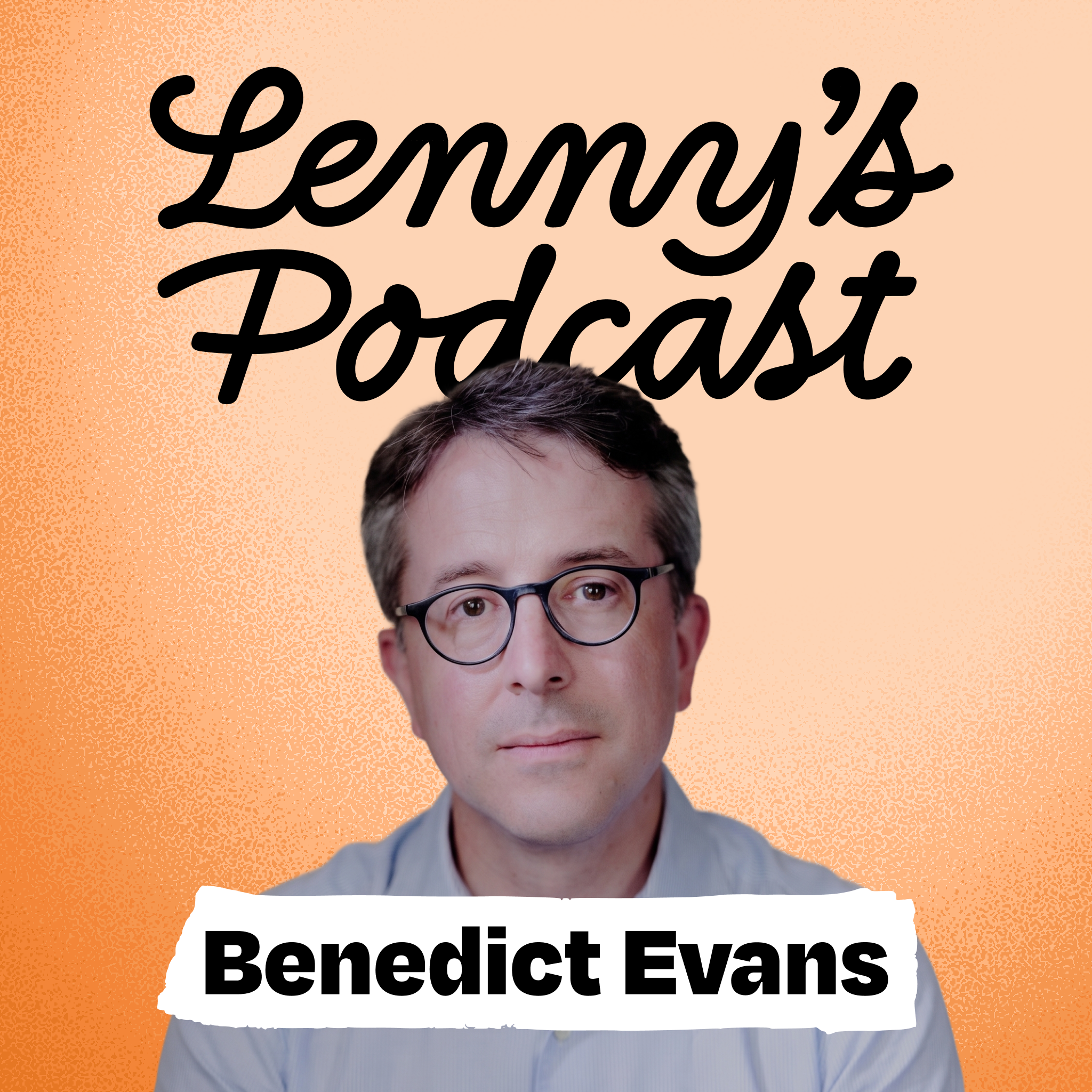
A rational conversation on where AI is actually going | Benedict Evans
Benedict Evans is an independent analyst and former partner at Andreessen Horowitz, where he spent years as their in-house “thinker” tracking the most important technology trends. For the past six years, he’s been publishing deeply researched presentations on where tech is heading, most recently focused on AI’s transformation of the economy. His work is read by founders, investors, and operators trying to make sense of a noisy field. His most controversial opinion: AI is as big a deal as the internet or mobile—and only as big.
In our in-depth conversation, we discuss:
1. Why we’re in “1997” for AI—early, exciting, and deeply uncertain about what comes next
2. Where value will actually accrue in the AI stack
3. The anti-AI backlash, and where it may lead
4. The surprising boom in consulting and professional services at AI companies
5. Why distribution is becoming the ultimate moat as software gets easier to build
6. Why the right question about your job isn’t “What percent can AI do?” but “Is this a task or a job?”
7. Why things will probably be okay—and what you need to do to prepare
—
Brought to you by:
WorkOS—Make your app enterprise-ready, with SSO, SCIM, RBAC, and more: https://workos.com/lenny
Vanta—Automate compliance, manage risk, and accelerate trust with AI: https://vanta.com/lenny
—
Episode transcript: https://www.lennysnewsletter.com/p/a-rational-conversation-on-where
—
Archive of all Lenny's Podcast transcripts: https://www.dropbox.com/scl/fo/yxi4s2w998p1gvtpu4193/AMdNPR8AOw0lMklwtnC0TrQ?rlkey=j06x0nipoti519e0xgm23zsn9&st=ahz0fj11&dl=0
—
Where to find Benedict Evans:
• LinkedIn: https://www.linkedin.com/in/benedictevans
• Newsletter: https://www.ben-evans.com/newsletter
• Website: https://www.ben-evans.com
—
Where to find Lenny:
• Newsletter: https://www.lennysnewsletter.com
• X: https://twitter.com/lennysan
• LinkedIn: https://www.linkedin.com/in/lennyrachitsky/
—
In this episode, we cover:
(00:00) Introduction to Benedict Evans
(02:19) What people aren’t pricing in about AI’s impact
(06:24) Why we’re in the 1997 moment of AI
(09:44) The unexpected boom in professional services and consultants
(17:44) Why distribution is becoming the ultimate moat
(23:17) The coming job transformation: what’s real vs. panic
(27:33) Why AGI definitions keep shifting
(38:11) Where value will accrue: models vs. applications
(42:55) Distribution wars: Google, Meta, Apple, and OpenAI
(48:12) The anti-AI sentiment and backlash
(53:11) How to raise kids in an AI future
(58:27) What jobs to steer toward or away from
(59:20) The question nobody’s asking about AI
(1:06:25) How to be successful in this coming future
(1:08:43) AI corner
(1:11:43) Light
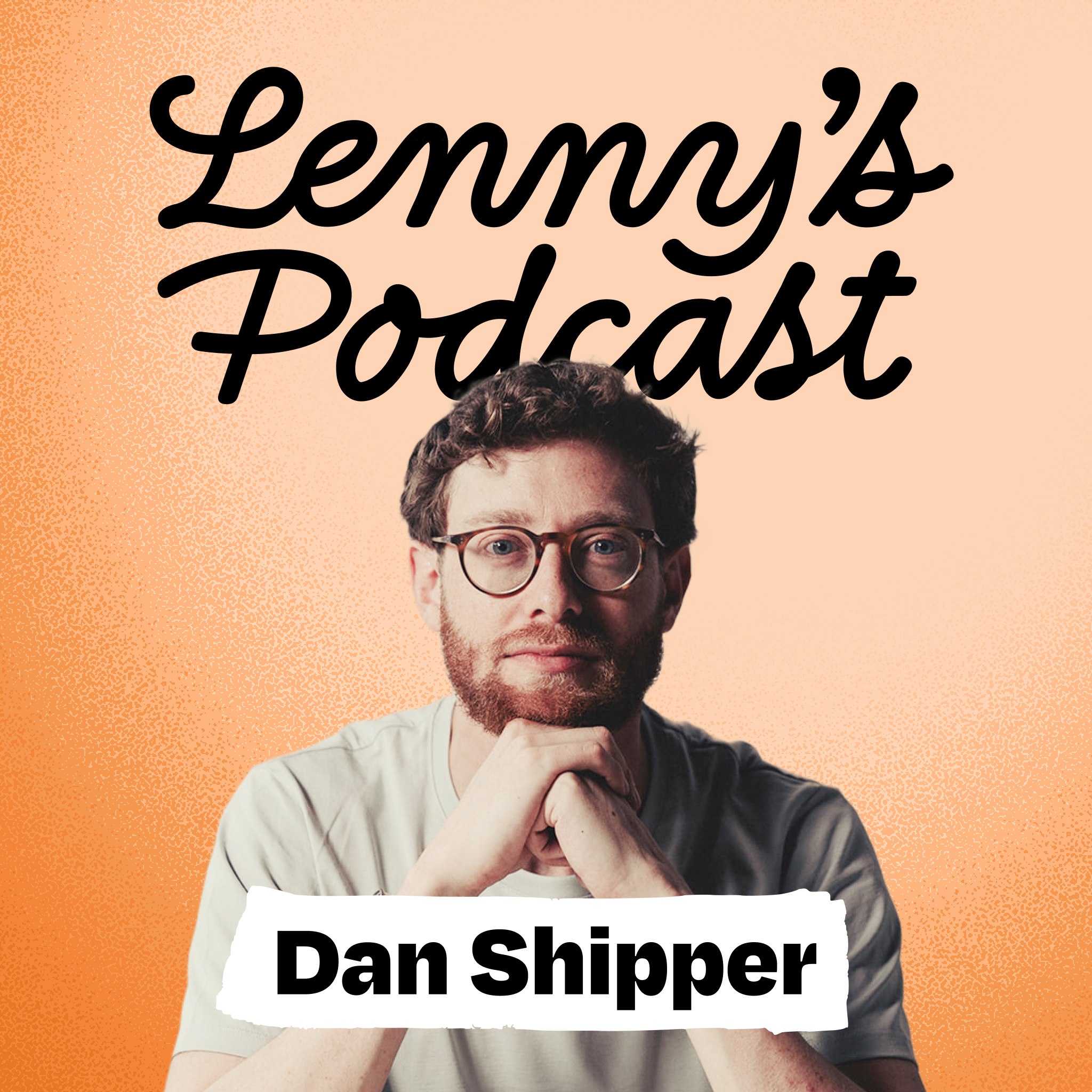
The AI paradox: More automation, more humans, more work | Dan Shipper
Dan Shipper is the co-founder and CEO of Every, a media and software company that’s become a living laboratory for the future of work. Everyone at his company of about 30 people is an AI early adopter; from editors to ops people, they use AI to do much of their work, giving Every a unique lens into where the world is heading. A year ago on this show, Dan predicted that people were sleeping on Claude Code for nontechnical work, which proved to be remarkably prescient. Today he’s back with another set of calls: the SaaS apocalypse is dumb, CLIs are over, the forward deployed engineer is the most valuable new hire, and the only thing you need to do to stay employed is ride the models.
Dan’s predictions:
1. The future of work will happen inside Codex or Claude Code.
2. Every company will have one “super-agent” inside their Slack that every employee talks to regularly.
3. SaaS is not dead—in fact, Dan is bullish on SaaS stocks. His contrarian take: “I would buy SaaS stocks right now.”
4. SaaS economics will shift: users will bring their own AI tokens into apps, which actually improves SaaS margins.
5. PMs will thrive in the AI era.
6. Full-stack designers will become superheroes.
7. The AI job apocalypse is not happening.
8. Forward deployed engineer is the new most essential role.
9. CLIs are over.
10. Automation is a lie.
11. We will read way more AI-generated writing and we will like it.
12. We’ll be building software for humans and agents to use together.
—
Brought to you by:
WorkOS—Make your app enterprise-ready, with SSO, SCIM, RBAC, and more: https://workos.com/lenny
Vanta—Automate compliance, manage risk, and accelerate trust with AI: https://vanta.com/lenny
—
Episode transcript: https://www.lennysnewsletter.com/p/the-ai-paradox-dan-shipper
—
Archive of all Lenny's Podcast transcripts: https://www.dropbox.com/scl/fo/yxi4s2w998p1gvtpu4193/AMdNPR8AOw0lMklwtnC0TrQ?rlkey=j06x0nipoti519e0xgm23zsn9&st=ahz0fj11&dl=0
—
Where to find Dan Shipper:
• LinkedIn: https://www.linkedin.com/in/danshipper/
• Podcast: https://every.to/podcast
• Website: https://danshipper.com
—
Where to find Lenny:
• Newsletter: https://www.lennysnewsletter.com
• X: https://twitter.com/lennysan
• LinkedIn: https://www.linkedin.com/in/lennyrachitsky/
—
In this episode, we cover:
(00:00) Introduction to Dan Shipper
(02:56) Dan’s unique position living in the AI future
(09:17) How the way we work will change in the coming year
(16:39) The case for general agents
(18:08) Codex and Claude Code as the new operating system for work
(25:39) How Cursor fits in
(27:42) How this changes what SaaS companies should build
(31:13) Why CLI is a
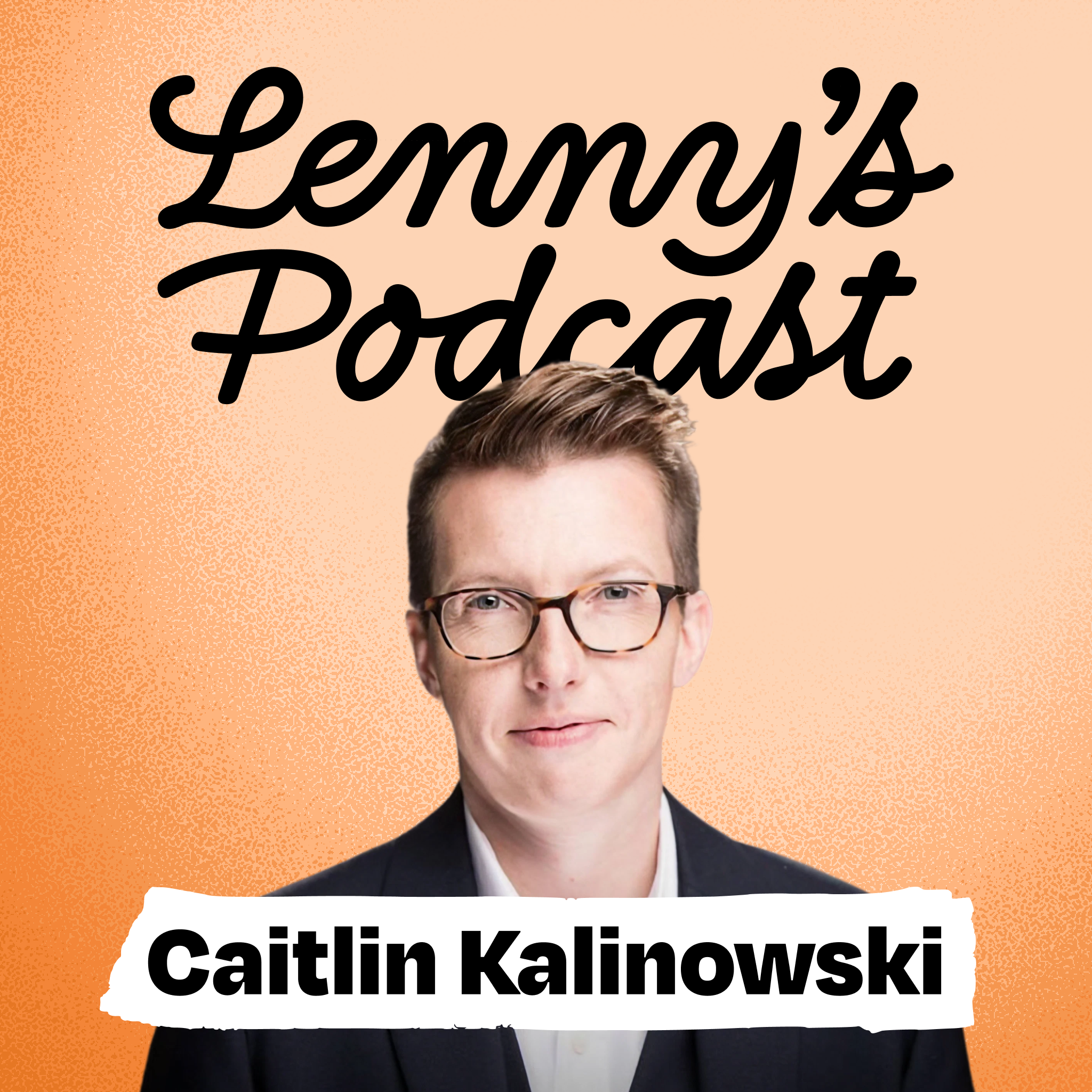
Why we’re at the beginning of the AI hardware boom | Caitlin Kalinowski (ex–OpenAI, Meta, Apple)
Caitlin Kalinowski was most recently at OpenAI helping build their robotics and hardware teams from scratch. Prior to that, she was head of AR glasses and VR hardware at Meta, where she led the teams building every generation of the Quest, Rift, and Orion, and was Meta’s first consumer electronics hire. Before this, she was technical lead on MacBook Air and Mac Pro at Apple, and helped engineer the original unibody MacBook Pro. She’s designed and engineered some of the hardest and most beloved consumer hardware products in history and is now focused on the next frontier: robotics.
In our in-depth conversation, we discuss:
1. VR—what happened?
2. The coming memory price shock and why she’s telling startups to pre-buy now
3. How the technologies built for VR became the foundation of modern warfare
4. Why humanoid robots are still just prototypes, and what’s actually gating mass deployment
5. Lessons from Steve Jobs, Mark Zuckerberg, and Sam Altman
6. Why she left OpenAI
—
Brought to you by:
WorkOS—Make your app enterprise-ready, with SSO, SCIM, RBAC, and more: https://workos.com/lenny
Vanta—Automate compliance, manage risk, and accelerate trust with AI: https://vanta.com/lenny
—
Episode transcript: https://www.lennysnewsletter.com/p/why-were-at-the-beginning-of-the
—
Archive of all Lenny's Podcast transcripts: https://www.dropbox.com/scl/fo/yxi4s2w998p1gvtpu4193/AMdNPR8AOw0lMklwtnC0TrQ?rlkey=j06x0nipoti519e0xgm23zsn9&st=ahz0fj11&dl=0
—
Where to find Caitlin Kalinowski:
• X: https://x.com/kalinowski007
• LinkedIn: https://www.linkedin.com/in/ckalinowski
• Website: https://www.caitlinkalinowski.com
—
Where to find Lenny:
• Newsletter: https://www.lennysnewsletter.com
• X: https://twitter.com/lennysan
• LinkedIn: https://www.linkedin.com/in/lennyrachitsky/
In this episode, we cover:
(00:00) Introduction to Caitlin Kalinowski
(02:32) Why VR didn’t take off despite incredible hardware
(04:55) The future of AR glasses and physical AI
(08:45) Why robotics and hardware are suddenly hot
(13:33) Why humanoid robots aren’t ready yet
(16:13) Supply chain bottlenecks threatening robotics
(17:31) Why magnets and actuators are critical dependencies
(20:51) The geopolitical implications of hardware supply chains
(24:48) AI safety concerns with physical robots
(26:50) Apple’s approach to hardware excellence
(30:10) Building a hardware program from scratch at Meta
(31:39) The Quest 2 cost reduction story
(33:07) Critical principles for hardware development
(39:58) The MacBook Air manila envelope moment
(41:01) The butterfly keyboard situation
(41:43) Lessons from Apple on customer feedback
(44:46) The memory price crisis coming for hardware
(49:31) How many co
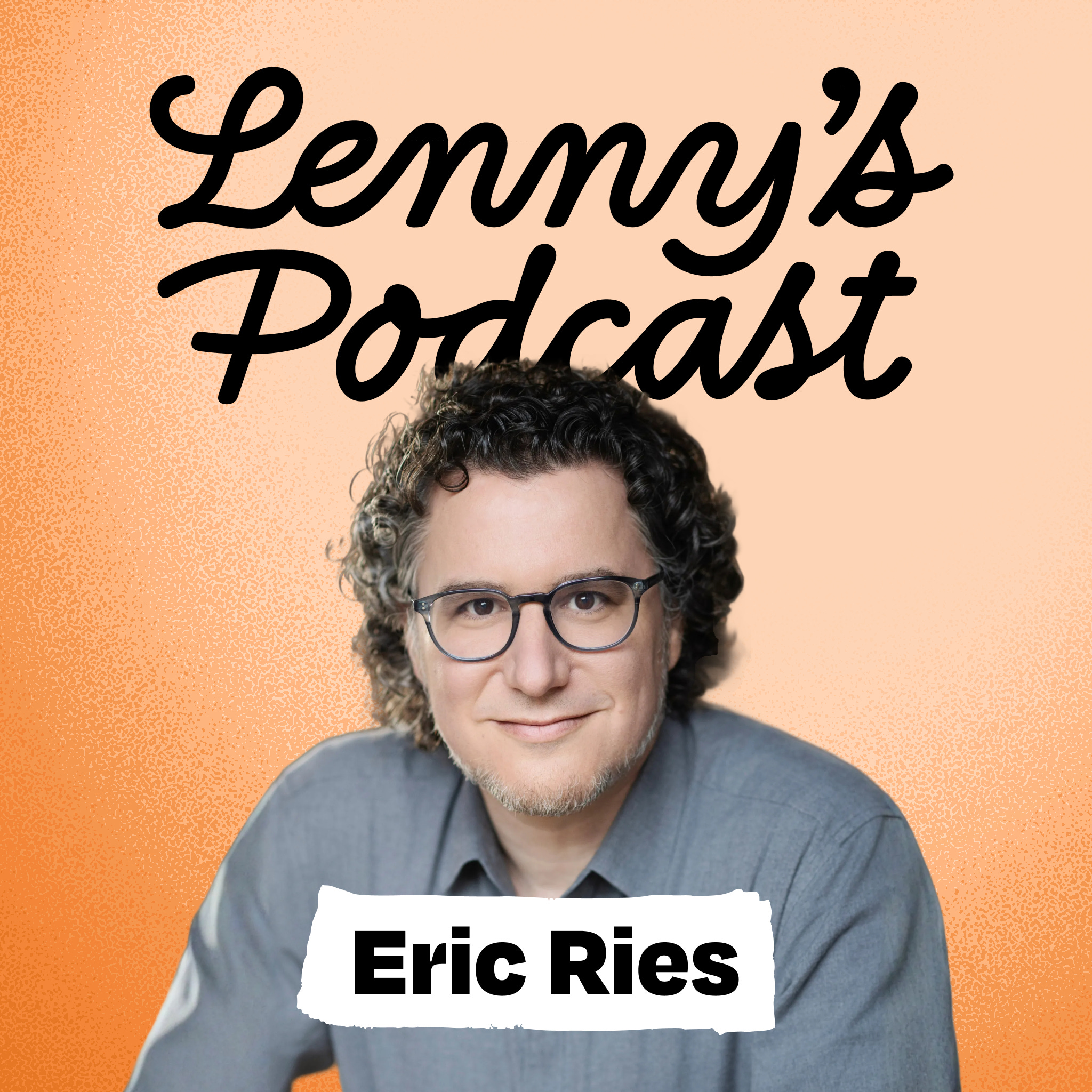
How to build a company that withstands any era | Eric Ries, Lean Startup author
Eric Ries is the author of The Lean Startup, a book that reshaped how a generation of founders think about building companies. His new book, Incorruptible, explains how successful companies are destroyed by failing to protect what makes them valuable, and how to change it.
In our in-depth conversation, we discuss:
1. Why 80% of venture-backed founders are ousted within three years of going public
2. The governance structures that protect companies like Anthropic, Costco, and Novo Nordisk
3. The simple legal filing that takes two pages and could save your company
4. Financial gravity: why successful companies predictably get corrupted into mediocrity
5. Why mission-aligned companies like Anthropic reap major benefits from protecting their mission through governance
6. Why success won’t protect you—it instead makes you a bigger target
—
Brought to you by:
WorkOS—Make your app enterprise-ready, with SSO, SCIM, RBAC, and more: https://workos.com/lenny
Vanta—Automate compliance, manage risk, and accelerate trust with AI: https://vanta.com/lenny
—
Episode transcript: https://www.lennysnewsletter.com/p/how-to-build-a-company-that-withstands
—
Archive of all Lenny's Podcast transcripts: https://www.dropbox.com/scl/fo/yxi4s2w998p1gvtpu4193/AMdNPR8AOw0lMklwtnC0TrQ?rlkey=j06x0nipoti519e0xgm23zsn9&st=ahz0fj11&dl=0
—
Where to find Eric Ries:
• LinkedIn: https://www.linkedin.com/in/eries
• Website: https://www.incorruptible.co
• Newsletter: https://news.theleanstartup.com/
• Podcast: https://ericriesshow.com
• YouTube: https://www.youtube.com/@theericriesshow
—
Where to find Lenny:
• Newsletter: https://www.lennysnewsletter.com
• X: https://twitter.com/lennysan
• LinkedIn: https://www.linkedin.com/in/lennyrachitsky/
—
In this episode, we cover:
(00:00) Introduction to Eric Ries
(02:26) Introducing Incorruptible
(06:26) Protecting what you’ve built
(11:35) Why founders get ousted
(14:58) Too early, too late
(19:32) The blueprint: ethos plus integrity
(20:49) Novo Nordisk’s 100-year governance fortress
(26:41) The Vectura Group and Philip Morris
(33:16) The “harder is easier” principle
(37:22) Cloudflare’s mission emergence story
(42:43) Groupon’s email frequency death spiral
(45:37) How to define your purpose
(51:09) Mission-driven vs. mission